
Everything You Need to Know About ES-1 Perimeter Edge Systems in Chicago: A Guide to Wind-Rated Roof Edges
Introduction
When it comes to commercial roofing in a city like Chicago, durability is not optional—it is essential. ES-1 perimeter edge systems play a critical role in protecting roofing assemblies from wind uplift and edge failure. These systems are specifically tested and designed to meet stringent performance standards, ensuring that roof edges remain secure even under extreme weather.
Chicago’s climate presents unique challenges, including high winds, rapid temperature shifts, and seasonal storms. Without proper edge protection, roofing systems are vulnerable to damage that can compromise the entire structure. ES-1 compliance helps mitigate these risks by reinforcing one of the most failure-prone areas of any roof—the perimeter.
In addition to performance, ES-1 systems are closely tied to building codes. The International Building Code (IBC), which Chicago follows, requires edge systems to meet ANSI/SPRI ES-1 standards. This makes understanding and implementing ES-1 systems not just a best practice, but a regulatory necessity.
What Makes ES-1 Perimeter Edge Important
The perimeter of a roof is where wind forces are most intense. ES-1 tested edge systems are fabricated to withstand these pressures, preventing the peeling or lifting that often leads to catastrophic roof failure. By securing the edges, these systems help maintain the integrity of the entire roofing assembly.
In Chicago, compliance with ES-1 standards is especially important due to the city’s adoption of IBC requirements. Buildings that fail to meet these standards risk not only structural damage but also potential code violations and costly repairs. ES-1 systems ensure that your roofing project aligns with both local and national regulations.
Beyond compliance, ES-1 systems serve a protective function. High winds can exploit weak edges, causing membrane blow-offs and water infiltration. Once this occurs, damage spreads quickly, affecting insulation, decking, and interior spaces. A properly designed ES-1 system acts as a barrier, reducing the likelihood of these issues and extending the lifespan of the roof.
Key Components of ES-1 Perimeter Edge
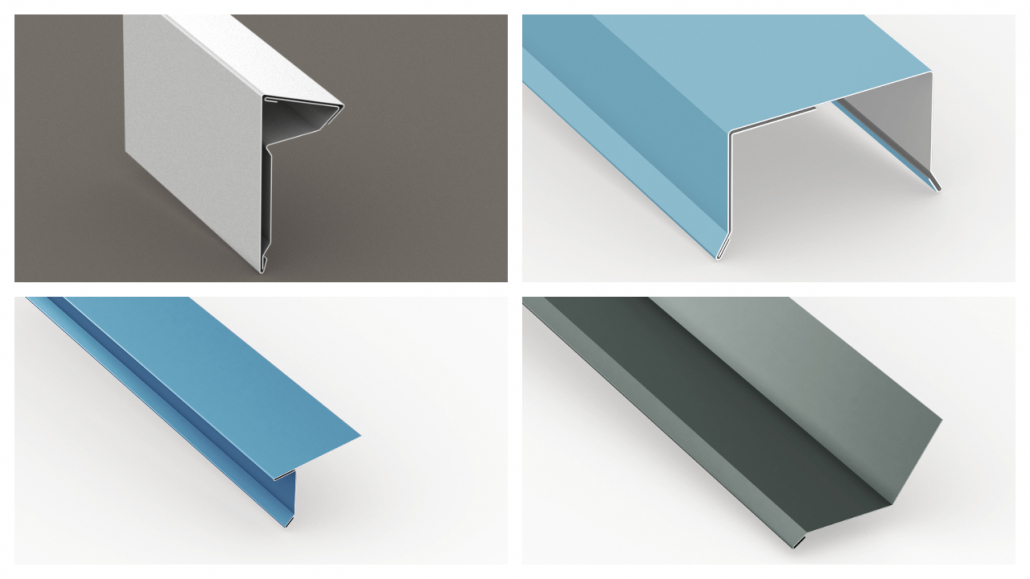
An ES-1 perimeter edge system is not a single component but a combination of elements working together to provide strength and stability. Each part plays a specific role in maintaining performance under wind stress.
Copings are used at the top of parapet walls, offering protection while also enhancing the building’s appearance. They are designed to resist uplift and prevent water penetration.
Gravel stops are typically installed at roof edges where parapet walls are not present. They help secure the roofing membrane and prevent loose materials from being displaced by wind.
Fascia systems provide a finished edge and support the roof structure. These components are often designed to meet ES-1 testing standards, ensuring they can handle wind loads effectively.
Edge metal ties everything together, reinforcing the perimeter and ensuring a continuous line of defense against environmental forces.
Material selection is another important consideration. Common options include aluminum, galvanized steel, and stainless steel, each offering different levels of durability and corrosion resistance. Gauge thickness also plays a role, with heavier gauges providing greater strength—an important factor for Chicago’s demanding conditions.
Designing an ES-1 System for Your Project
Designing an ES-1 perimeter edge system requires a careful balance of fabrication, material selection and site-specific considerations. Engineers begin by analyzing wind uplift data, which varies depending on building height, location, and exposure.
In Chicago, buildings near open areas such as lakes or high-rise districts may experience higher wind pressures. This makes it essential to tailor the design to the specific environment. Engineers use this data to determine the appropriate fastening patterns, material thickness, and system configuration.
Several factors influence the design process:
-
Building height and geometry
-
Roof type and slope
-
Local wind load requirements
-
Compatibility with existing roofing systems
Coordination between architects, contractors, and suppliers is also key. A well-designed ES-1 system must integrate seamlessly with the overall roofing assembly, ensuring both performance and visual consistency.
Installation Best Practices
Even the best-designed ES-1 system can fail if it is not installed correctly. Proper installation is critical to achieving the desired performance and ensuring compliance with standards.
The installation process typically involves:
-
Preparing the roof edge by ensuring a clean, stable surface
-
Aligning components to maintain consistent spacing and alignment
-
Securing fasteners according to manufacturer specifications
-
Sealing joints to prevent water infiltration
-
Inspecting the system to confirm proper installation
Attention to detail is essential at every step. Fasteners must be placed at the correct intervals, and components should be installed without gaps or misalignment.
Common mistakes to avoid include:
-
Using incorrect fasteners or spacing
-
Overlooking manufacturer guidelines
-
Failing to account for thermal expansion
-
Skipping final inspections
Working with experienced professionals can make a significant difference. Proper training and adherence to best practices ensure that the system performs as intended, even under extreme conditions.
Benefits for Commercial Buildings
Investing in an ES-1 perimeter edge system offers a range of benefits for commercial buildings, particularly in a city like Chicago.
Enhanced wind resistance is the most immediate advantage. By reinforcing the roof edge, ES-1 systems reduce the risk of damage during storms, protecting both the building and its occupants.
Long-term durability is another key benefit. High-quality materials and proper installation minimize wear and tear, reducing the need for frequent repairs or replacements. This translates into lower maintenance costs over time.
Improved aesthetics should not be overlooked. Modern ES-1 systems are designed with both function and appearance in mind, offering clean lines and finishes that complement the overall architecture of the building.
Additionally, compliance with ES-1 standards can improve project approvals and inspections, providing peace of mind for building owners and contractors alike.
Conclusion
In a city known for its challenging weather, ES-1 perimeter edge systems are not just an option—they are a necessity. From preventing wind-related damage to ensuring compliance with building codes, these systems play a vital role in the performance and longevity of commercial roofs.
Understanding the components, design considerations, and installation practices involved in ES-1 systems allows building owners and contractors to make informed decisions. With the right approach, you can create a roofing system that stands up to Chicago’s toughest conditions.
If you are planning a new project or upgrading an existing roof, now is the time to explore ES-1 solutions. Consulting with a knowledgeable supplier can help you select the right system and ensure it meets both performance and compliance requirements. Reach out today to discuss your needs and request a quote tailored to your project.
For projects requiring dependable, code-compliant perimeter edge solutions, working with a trusted supplier like Sheet Metal Supply ensures you receive high-quality materials and expert support tailored to Chicago’s demanding conditions.
FAQs
What does ES-1 stand for?
ES-1 refers to a testing standard developed by ANSI/SPRI that evaluates the wind resistance of roof edge systems.
Why is ES-1 required for commercial buildings in Chicago?
Chicago follows the International Building Code, which mandates ES-1 compliance to ensure roof edges can withstand wind uplift forces.
Can ES-1 perimeter edges be retrofitted onto existing buildings?
Yes, many ES-1 systems can be retrofitted, though the design may need to be adjusted based on the existing structure.
What materials are used in ES-1 perimeter systems?
Common materials include aluminum, galvanized steel, and stainless steel, chosen for their strength and durability.
How long do ES-1 systems typically last?
With proper installation and maintenance, ES-1 systems can last for decades, providing long-term protection for commercial roofs.
Please contact Sheet Metal Supply for all of your sheet metal needs.


